Good questions protect good homes.
ABOUT / THE TERMITE FIELDBOOK
Clear explanations for the decisions that follow a small, unsettling discovery.
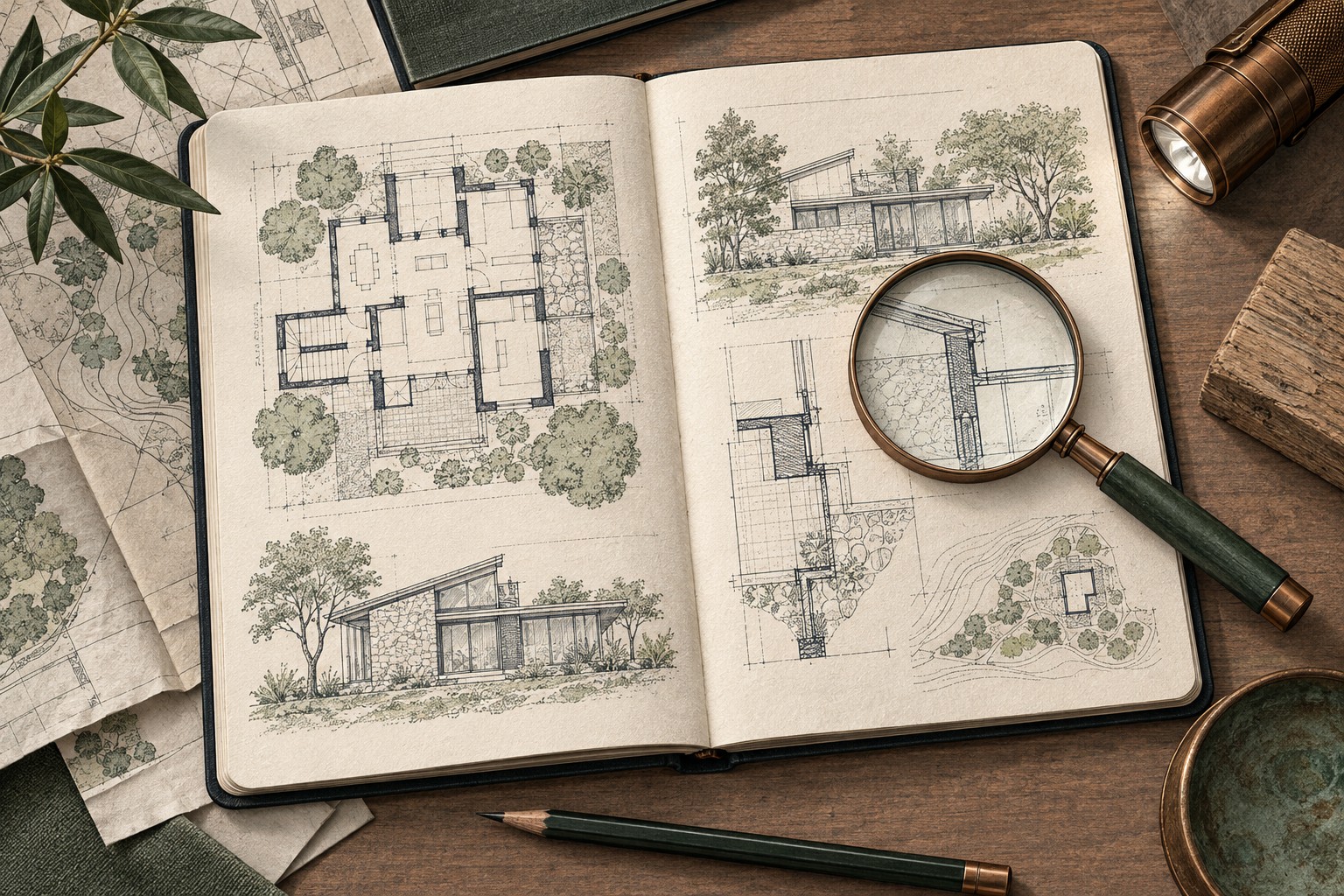
Because the details belong together.
A date. A photograph. The location of a leak. A report that says what was inspected and what could not be reached. Small details can make a difficult house question much easier to discuss.
This journal brings those details into plain English for Long Island homeowners. We focus on subterranean termites, the conditions around a building and the questions worth asking a qualified professional.
EDITORIAL PRINCIPLES
Useful before urgent
We separate a visible clue from a diagnosis. A photograph can start a conversation; it cannot reveal every concealed part of a house.
We explain treatment methods without turning the page into a pesticide application manual. Product labels and professional judgment still govern the work.
We are an independent educational publication, not an inspection service, structural engineer or pesticide applicator. We do not claim to have visited your home.
HOW WE WRITE
Research, then explanation
Our educational material draws on US EPA consumer guidance, university extension information and New York's pesticide certification framework. We use those foundations to explain what homeowners can observe, which questions require an inspection and where separate building expertise may be needed.
A description of a local service is not an independent certification of that company. Readers should verify current credentials, compare written scopes and ask about the actual product and agreement before arranging work.
Architectural drawings on this site are illustrations. The termite macro photograph is credited to the USDA Agricultural Research Service. We do not present a drawing or a stock image as evidence of an inspected Long Island property.